


Cat Escape: Virtual Pet Game
Sunday.gg
Cat Escape: Virtual Pet Game is the kind of simulation I can open for a few minutes when I want something gentle rather than demanding. I spend my time looking after a virtual cat, choosing how to interact with it, and deciding when to play, cuddle, or simply check in. That simple loop is the whole appeal: it turns a familiar pet-care idea into a light mobile routine without asking me to master complicated controls.
Developed by Sunday.gg, this free game sits in the simulation category and is suitable for Everyone. It has attracted over 100 million installs and holds a 4.4 average from around 1.2 million ratings, so it is clearly designed for a broad audience rather than a small group of specialist players. I think that reach makes sense. The presentation is approachable, the central idea is immediately understandable, and the experience works especially well for players who enjoy cute characters and relaxed interaction.
Still, I would not describe it as a full replacement for a serious life simulator or a demanding strategy game. Its strength is the small emotional routine of caring for a fluffy companion. If you want deep resource management, long-term construction, or a complex competitive system, you may find the experience too light. If you want a friendly game to dip into between other tasks, it makes a much stronger case.
How the daily decisions shape the experience
A small set of choices with a clear purpose
The decision space in Cat Escape is intentionally easy to read. I am not managing a large household, balancing a complicated economy, or learning a long list of controls. Instead, the focus stays on the cat and on the immediate question of what kind of attention feels right at that moment. That clarity is useful on a phone because I can understand the situation quickly without needing to remember a detailed plan from a previous session.
That simplicity also changes how I judge each action. In a larger simulation, a decision may be valuable because it improves a production chain or protects a long campaign. Here, the reward is more personal and immediate: the interaction makes the virtual pet feel present, and the short session feels complete. The main strategy is choosing the right amount of attention, not trying to optimize every second.
Related News

Why WhatsApp Messenger Still Makes Everyday Communication Feel Easy

Jurassic World: The Game Is the Better Dino Tycoon for Strategic Players

Threads in Real Life: Who Should Join, Lurk, or Leave

How SHEIN Turned Shopping Into an Endless Content Feed

How to Make Fortnite Feel Smarter on Mobile

Should You Switch to Microsoft Outlook on Mobile?
For a child or a casual player, this low barrier is a real advantage. The Everyone age rating reflects the welcoming tone, and the game is easy to explain without turning the first session into a tutorial exam. I can imagine handing it to someone who has never played a simulation game and seeing them understand the basic appeal almost immediately.
Why short sessions work better than forced routines
My most natural use case is a short break during the day. I might open the game while waiting for an appointment, play for a little while after finishing a task, and then leave without feeling that I have abandoned a larger campaign. That makes it different from games that rely on long matches or uninterrupted concentration. The virtual pet format gives the session a softer beginning and ending.
I also found that the game works best when I treat it as a pleasant check-in rather than a responsibility. Trying to turn every visit into a perfect care schedule can make a gentle experience feel like another obligation. A better approach is to decide in advance whether I want a quick interaction or a longer play session, then stop when that small goal is satisfied.
Gallery
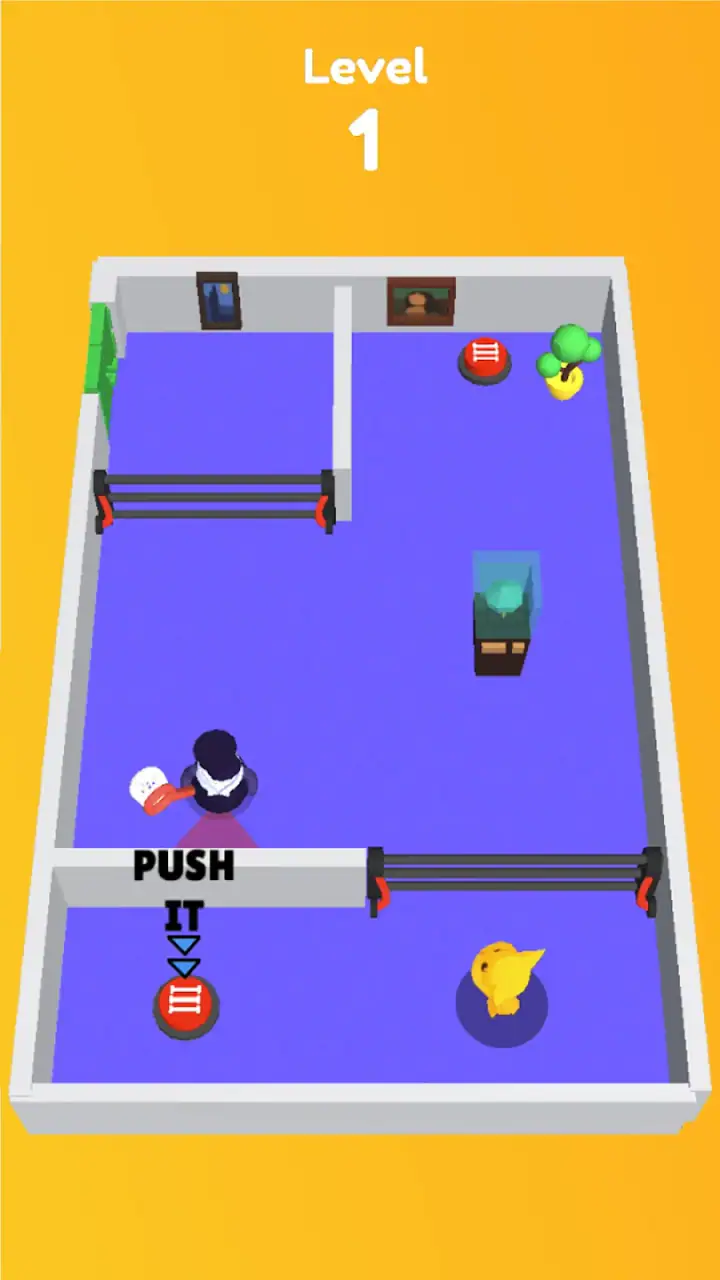
This is one of the less obvious strengths of the design. The game does not need to dominate my attention to feel worthwhile. Its value comes from fitting around my day. That is particularly useful for people who like the idea of a virtual pet but do not want a demanding game that constantly competes with work, school, or other hobbies.
Where the decision space may feel limited
The same focus can become a weakness if I expect a broad simulation sandbox. There is less room for elaborate planning than I would find in a management game, and the experience is not built around solving difficult systems. Players who enjoy comparing multiple viable builds, calculating long-term efficiency, or exploring a large world should adjust their expectations before installing it.
I would also skip it if the main reason I play mobile games is competition. This is not the sort of experience I choose when I want ranked pressure, tactical counterplay against human opponents, or a dramatic win-or-lose conclusion. Its decisions are about interaction and routine, not about defeating another player.
Reading the value of each interaction
A useful way to approach the game is to separate emotional value from mechanical value. I do not need every action to produce a major visible improvement. Sometimes the point is simply that the cat gives me a reason to pause. That may sound modest, but it is exactly why the game can work as a calming alternative to more aggressive mobile genres.
For younger players, I would encourage adults to frame it as a game about caring for a fictional companion, not as a substitute for the responsibilities of a real animal. That distinction helps keep expectations realistic. The virtual routine is enjoyable because it is safe, reversible, and easy to fit into a day; it does not carry the practical demands of real pet ownership.
Risk, reward, and the role of spending
Cat Escape is free to download, which makes trying the core experience straightforward. Optional purchases range from $0.99 to $99.99 per item, so I would approach the in-game shop with a clear personal limit. The important trade-off is not whether spending exists, but whether a player can enjoy the pet-care loop without feeling pushed to buy something during every visit.
My advice is simple: play first, decide later. I would avoid making a purchase during the excitement of a new session. Instead, I would use the free experience long enough to learn whether the daily interactions genuinely fit my habits. If I still enjoy returning after the novelty fades, then I can consider whether an optional item adds enough value to justify the cost.
This is especially important for families. Because the game is suitable for Everyone, a child may see a purchase as part of playing rather than as a separate financial decision. Adults should treat the shop as a point for conversation and supervision. A spending boundary is more useful than assuming that a cute presentation automatically makes every purchase harmless.
What the reward loop does well
The reward structure is strongest when it gives me a reason to return without making the return feel like a chore. A virtual pet naturally creates that pull: I want to see the cat, interact with it, and maintain a sense of continuity. That emotional loop is different from collecting abstract points because the object of attention is a character with a friendly identity.
There is also a planning benefit in keeping sessions small. I can decide to make the next visit about one simple goal, such as spending a little time with the cat, rather than opening the app with an unrealistic expectation of completing everything. This reduces the common mobile-game problem where a player keeps going only because stopping would feel inefficient.
At the same time, players who need strong external goals may find the rewards less motivating. If a game only feels satisfying when it offers a difficult target, a leaderboard, or a clearly measurable victory, the softer pet-care loop may not hold attention for long. That is not a flaw in the concept, but it is a meaningful difference from more goal-heavy alternatives.
Managing the trade-off between comfort and challenge
The central trade-off is clear: the game gains accessibility by keeping pressure low, but it gives up some of the tension that makes deeper simulations compelling. I enjoy that trade when I want relaxation. I would choose something else when I want to test a plan, recover from a mistake, or make a chain of decisions that produces a surprising result.
For that reason, I see Cat Escape as a companion game rather than my only mobile game. It works well beside a puzzle game, a strategy title, or a longer adventure. I can use it to reset my attention, then move to a more demanding game when I want challenge. Expecting one app to provide both kinds of satisfaction would make the comparison unfair.
Adapting your play style to the cat-care format
Adaptation here is less about learning a difficult control scheme and more about learning my own preferred rhythm. During my first sessions, I would resist trying to judge the entire game immediately. The cute presentation can create a strong first impression, but the real question is whether the routine remains pleasant after the initial novelty becomes familiar.
A practical test is to use three different session lengths. I might try a very brief check-in, a normal casual visit, and a longer relaxed session. This reveals whether the game suits only quick moments or whether it can also support a more settled play period. It also helps me avoid spending money before I know which parts of the experience I actually return to.
Another useful adjustment is to play according to mood. When I am tired, I can treat the game as a quiet interaction rather than searching for maximum progress. When I have more time, I can explore the available activities at a slower pace. This flexible approach is more rewarding than forcing the same routine every time I open it.
Adapting expectations around progression
Players coming from large simulation games should be careful with the word “progression.” In a management-focused title, progress usually means expanding a system, unlocking powerful tools, or improving efficiency. In this virtual-pet game, progress is better understood as maintaining an ongoing relationship with the character and finding a comfortable pattern of play.
That distinction answers a common question: is it suitable for someone who wants a long-term game? My answer is yes, if long-term means returning to a familiar companion in small sessions. My answer becomes more cautious if long-term means building an increasingly complex strategy. The game can support a lasting habit, but it is not the same kind of depth as a detailed economy or colony simulator.
When the game fits a family device
The accessible theme and Everyone rating make it a reasonable candidate for a shared family device, especially when the goal is a calm game that younger players can understand. I would still introduce a simple rule: play freely, but ask before using any paid option. That rule teaches a useful digital habit without turning the game into a lecture.
For older players, the appeal depends more on tolerance for repetition and softness. Some adults will enjoy the small comfort of caring for a virtual cat; others may quickly want more complex systems. I would recommend it to someone who likes cozy mobile experiences, but I would not present it as a universal choice for every simulation fan.
How much depth remains after the first week
The depth over time comes from routine, not from constant escalation. I can return because the cat remains a pleasant focus, because short sessions fit my schedule, or because I enjoy the feeling of maintaining continuity. That is a legitimate form of depth, but it is more personal than mechanical. The game asks whether the relationship remains enjoyable, not whether I can solve an increasingly difficult puzzle.
In my experience, this makes the first week important. The opening charm is easy to understand, but sustained interest depends on whether the interactions fit naturally into my day. If I already enjoy checking in with virtual companions, the format can remain appealing. If I need frequent surprises or major new objectives, the experience may feel quieter than expected.
I also appreciate that the game can occupy a narrow but useful place in a larger routine. I do not need to reserve an entire evening for it. A few minutes can be enough to get the intended feeling, and that makes it easier to keep playing without resentment. The trade-off is that a player searching for a constantly expanding adventure may eventually outgrow the format.
Technical expectations and device compatibility
The current version is 26.21.0, and the game runs on Android 7.0 or later. That broad compatibility is helpful for people using an older Android phone, although the final experience can still depend on the device itself and on how comfortably it handles a character-focused game. I would check the operating-system requirement before installing, especially on an older family handset.
Because the game is free to start, the easiest way to judge compatibility is to install it and spend time with the basic loop before making any purchase. I would pay attention to whether the controls feel comfortable, whether the visual style is easy to follow, and whether the session length suits the phone’s role in my day. Those practical tests tell me more than the install count alone.
Comparing it with other simulation choices
Compared with a farming or city-building simulation, Cat Escape offers a much narrower decision space and a more personal focus. I am not laying out production chains or expanding a settlement. The benefit is less mental overhead; the cost is less strategic variety. I would choose the farming or building alternative when I want planning to be the main source of satisfaction.
Compared with a virtual-pet game built around heavy customization or constant collection, this title is better suited to players who want the cat itself to remain the center of attention. The more elaborate alternative may offer greater long-term variety, while Cat Escape can feel easier to enter and easier to leave. That makes it a better fit for short breaks, but not necessarily for players who want a large catalog of systems to master.
Compared with a competitive mobile game, the contrast is even sharper. There is no reason to approach this experience with the same mindset I would use for a ranked match. I do not need to react to opponents, protect a lead, or recover from a tactical mistake. For stress relief that is a strength; for adrenaline and mastery, it is a limitation.
Who should install it, and who should skip it
I would recommend Cat Escape to someone who likes cute virtual companions, wants a low-pressure simulation, and prefers games that can be enjoyed in short visits. It is also a sensible choice for families seeking an approachable game, provided adults explain how optional purchases should be handled. The free entry point makes the decision easy: install it, try the routine, and see whether the cat-care format feels natural.
I would skip it if my priority were complex management, competitive play, or a campaign built around difficult objectives. I would also be cautious if I tend to feel guilty about missing a virtual routine, because a pet-themed game can encourage that emotional response even when the game is meant to be relaxing. In that situation, a self-contained puzzle game may be a healthier fit.
My strategy verdict
My final view is that Cat Escape succeeds by keeping its promise narrow. It gives me a cute virtual companion and a gentle reason to return, rather than pretending to be a complete simulation of every aspect of pet ownership. The best strategy is to protect that simplicity: use it for short, enjoyable check-ins, set a spending boundary, and judge it by comfort and consistency rather than by the standards of a complex management game.
The game is free, friendly, and widely accessible, but its appeal depends on enjoying repetition with a soft emotional reward. I like it most when I need a small pause in the day and do not want another demanding challenge. With Sunday.gg behind it and a large existing audience, it is an easy recommendation for cozy simulation fans. I would simply make the recommendation specific: choose it for companionship and calm, not for deep systems or competitive mastery.
My honest recommendation: give it a try if the idea of caring for a virtual kitty sounds relaxing, then let your own daily rhythm decide whether it earns a permanent place on your phone.
FAQs for Cat Escape: Virtual Pet Game
What is Cat Escape: Virtual Pet Game?
Cat Escape: Virtual Pet Game is an interactive simulation where players adopt and care for a virtual cat. The game features a mix of puzzle-solving and adventure elements, allowing players to explore different environments, complete tasks, and customize their pet. It's designed for both casual gamers and cat enthusiasts.
Is Cat Escape: Virtual Pet Game free to play?
Yes, Cat Escape: Virtual Pet Game is free to download and play. However, it contains in-app purchases and ads. Players can choose to buy items or currency to enhance their gameplay experience but can enjoy the core game without spending money.
What features does Cat Escape: Virtual Pet Game offer?
The game offers a variety of features including puzzle challenges, pet customization, and interactive environments. Players can unlock new items, outfits, and accessories for their cat. The game also has social elements where players can share their achievements and compete with friends.
What age group is Cat Escape: Virtual Pet Game suitable for?
Cat Escape: Virtual Pet Game is suitable for a wide range of ages, generally recommended for those aged 4 and up. Its simple controls and engaging gameplay make it accessible to children, while its strategic elements and customization options can appeal to older users.
Does Cat Escape: Virtual Pet Game require an internet connection?
While Cat Escape: Virtual Pet Game can be played offline, certain features may require an internet connection. These include accessing in-game purchases, viewing ads for rewards, and participating in online leaderboards or events. A stable connection enhances the overall experience.
Pros
- Engaging gameplay with interactive cat activities.
- Adorable graphics appeal to all age groups.
- Offers a variety of customization options.
- Regular updates with new features and challenges.
- Easy to learn controls for casual play.
Cons
- In-app purchases can be quite expensive.
- Occasional ads interrupt the gameplay.
- Requires constant internet connection.
- Limited storyline can feel repetitive.
- Some features locked behind paywall.


